
So, you’re a freelancer, and those quarterly estimated tax payments are looming. It can feel like a bit of a puzzle, but at its core, it’s about setting aside a portion of your income to cover your tax bill before the annual filing deadline. Think of it as breaking down a big payment into manageable chunks throughout the year. This article will walk you through the essentials of quarterly estimated taxes for freelancers, including how to figure out what you owe and how to stay on top of it without losing your mind.
Understanding Quarterly Estimated Taxes
When you work for yourself as a freelancer, you don’t have an employer withholding taxes from your paychecks. This means you’re responsible for paying in your income tax and self-employment taxes yourself. The IRS generally expects you to pay these taxes as you earn income throughout the year, rather than waiting until tax season rolls around. Quarterly estimated taxes are simply the mechanism for doing just that. They’re a way to avoid a large, potentially surprise tax bill at the end of the year, and more importantly, to steer clear of potential penalties for underpayment.
Who Needs to Pay Estimated Taxes?
Generally, if you expect to owe at least $1,000 in tax for the year when you file your return, you’ll likely need to make estimated tax payments. This includes freelancers, independent contractors, and small business owners. If your income is irregular or comes from various sources, it’s especially important to get a handle on this. Your self-employment taxes (Social Security and Medicare) are a significant part of this equation.
What Taxes Are Included?
When we talk about quarterly estimated taxes for freelancers, we’re primarily talking about two main types of taxes:
Income Tax
This is the tax on all the income you earn. For freelancers, this includes your freelance earnings, but also any other income you might have, like interest, dividends, or capital gains.
Self-Employment Tax
This tax covers Social Security and Medicare for individuals who are self-employed. It’s essentially the contribution you would normally make as an employee and what your employer would typically match. For 2023 and 2024, the self-employment tax rate is 15.3% on the first $160,200 of earnings for Social Security (for 2023) and 2.9% for Medicare (with no income limit). You can deduct one-half of your self-employment tax when calculating your adjusted gross income, which is a nice little tax break.
How to Calculate Quarterly Estimated Taxes as a Freelancer
This is where things can get a bit more detail-oriented, but it’s very doable. The goal is to accurately estimate your total tax liability for the year and then divide it into four equal (or nearly equal) payments.
Estimating Your Income
The first step is to project your total freelance income for the entire tax year. This might involve looking at your past earnings, current contracts, and any anticipated projects. Be realistic here. If your income fluctuates a lot, consider using an average or a conservative estimate. It’s better to overpay slightly than to significantly underpay.
Estimating Your Deductions and Credits
This is crucial for freelancers. You can deduct ordinary and necessary business expenses, which can significantly reduce your taxable income. Think about things like:
- Home office expenses: If you have a dedicated space in your home used exclusively for business.
- Supplies and equipment: Computers, software, office supplies, tools of your trade.
- Business travel and mileage: If you drive for business appointments.
- Professional development: Courses, books, or conferences related to your field.
- Insurance: Health insurance premiums if you’re self-employed.
- Retirement contributions: Contributions to a SEP IRA or Solo 401(k).
Also, consider any tax credits you might be eligible for, such as the Earned Income Tax Credit or education credits.
The formula for calculating your estimated tax generally looks like this:
Estimated Taxable Income = Expected Gross Income – Business Expense Deductions – One-half of Self-Employment Tax – Other Deductions & Credits
Calculating Your Tax Liability
Once you have an estimated taxable income, you’ll apply the relevant tax rates. You’ll need to figure out your federal income tax based on your tax bracket, and then add your self-employment tax. For the self-employment tax, you’ll typically calculate it on 92.35% of your net earnings from self-employment.
This calculation can become complex with various income streams and deductions. This is where a calculator or tax software can be a huge help.
Determining Your Quarterly Payment
Once you have your estimated total tax for the year, divide it by four for your quarterly payments. The payment deadlines are usually April 15, June 15, September 15, and January 15 of the following year. If any of these dates fall on a weekend or holiday, the deadline is the next business day.
Tips for Managing Quarterly Estimated Taxes
Staying on top of your quarterly taxes is more than just meeting deadlines; it’s about smart financial management that can save you stress and money. If you need help calculating your quarterly taxes, you can use a tool like the Keeper Tax Quarterly Tax Calculator to make the process easier.
Set Aside Funds Regularly
The easiest way to avoid a shock when a payment is due is to transfer a portion of every freelance payment you receive into a separate savings account specifically for taxes. This “set it and forget it” approach means the money is already there when you need it.
Track Your Income and Expenses Meticulously
Good bookkeeping is your best friend.
Use accounting software or a detailed spreadsheet to track all your income and every business expense. This will not only make tax calculations easier but also help you identify all eligible deductions.
Understand the Deadlines
Mark your calendars! Missing a deadline can lead to penalties and interest.
Knowing these dates well in advance allows you to plan accordingly.
Review Your Situation Annually
Don’t just calculate your estimated taxes once and forget about them. Your income, expenses, and tax laws can change. It’s wise to do a mid-year review to see if you need to adjust your payments.
Consider Professional Help
If you find the calculations overwhelming or have a complex financial situation, consulting a tax professional (like a CPA or Enrolled Agent) can be invaluable.
They can help you estimate accurately and ensure you’re taking advantage of all available deductions and credits.
Using a Quarterly Estimated Tax Calculator
| Quarter | Income | Estimated Tax |
|---|---|---|
| Q1 | 10,000 | 1,500 |
| Q2 | 12,000 | 1,800 |
| Q3 | 11,500 | 1,725 |
| Q4 | 13,500 | 2,025 |
This is where technology really shines for freelancers. A quarterly estimated tax calculator is an online tool designed to simplify the process of figuring out what you owe.
How They Work
These calculators typically ask for information such as:
- Your estimated total annual income.
- Your anticipated business expenses.
- Which tax deductions and credits you expect to claim.
- Your filing status (single, married filing jointly, etc.).
You input these figures, and the calculator does the math for you. It can help you estimate your income tax and self-employment tax and then break down your total yearly tax into four estimated quarterly payments.
Benefits of Using a Calculator
- Simplicity: They automate complex calculations, saving you time and reducing the chance of errors.
- Accuracy: When used with correct information, they provide a more precise estimate than manual calculations.
- “What-If” Scenarios: Some calculators allow you to play with different income or expense figures to see how they might affect your tax liability.
- Guidance: They often provide explanatory notes or links to IRS resources to help you understand why certain inputs are needed.
Many reputable tax software companies offer free or low-cost online calculators. The IRS also provides resources and forms that can guide manual calculations if you prefer.
Common Mistakes to Avoid When Paying Quarterly Estimated Taxes

Even with tools and knowledge, it’s easy to stumble. Being aware of common pitfalls can help you steer clear of them.
Underestimating Income
One of the most frequent mistakes is being too optimistic about your income prospects. If you have a contract that falls through or a project is delayed, your actual income might be lower than you anticipated. However, for estimated taxes, aiming conservatively is usually the better bet.
Forgetting Deductible Expenses
Freelancers often leave money on the table by not tracking and deducting all their eligible business expenses. This is essentially paying more tax than you have to. Diligent record-keeping is the antidote here.
Not Adjusting for Changes
Life happens, and so does freelancing. A major unexpected contract or a significant business expense can alter your tax situation. Failing to update your estimated payments to reflect these changes can lead to underpayment.
Missing Deadlines
As mentioned, deadlines are firm. A late payment can incur penalties and interest, negating some of the benefits of paying quarterly in the first place.
Confusing Income Tax with Self-Employment Tax
Remember that estimated taxes cover both your income tax and your self-employment tax. Make sure your calculations account for both components.
Adjusting Quarterly Estimated Taxes Throughout the Year
Your freelance income is rarely perfectly predictable. Therefore, your estimated tax payments shouldn’t be set in stone once you make them. Adapting is key to staying compliant and avoiding surprises.
Why Adjustments Are Necessary
Imagine landing a huge, unexpected client halfway through the year, significantly boosting your income. If you continue to pay based on your original, lower estimate, you’ll likely owe a substantial amount at tax time and might face penalties for underpayment. Conversely, if a major project is unexpectedly canceled and your income takes a nosedive, you might be overpaying your estimated taxes.
How to Make Adjustments
- Mid-Year Review: Typically, around June or July, take a moment to review your year-to-date income and expenses. Compare this to your initial projections.
- Recalculate: Use your updated figures to re-estimate your total annual tax liability.
- Adjust Future Payments: If your new estimate suggests you’ll owe more, increase your remaining two quarterly payments. If it suggests you’ll owe less, you can decrease them. You can also get a refund if you’ve overpaid.
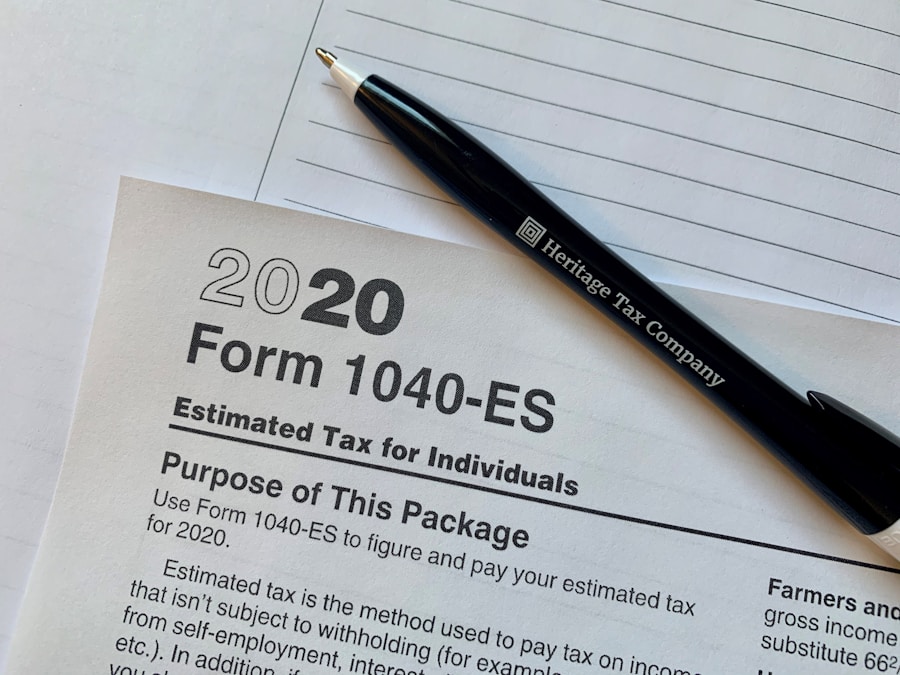
The IRS allows you to adjust your estimated tax payments as often as you need to throughout the year. They provide Form 1040-ES, Estimated Tax for Individuals, which includes worksheets to help you figure out your payments and make adjustments.
Resources for Freelancers to Navigate Quarterly Estimated Taxes
You don’t have to go it alone. Plenty of resources are available to help freelancers understand and manage their tax obligations.
IRS Resources
The IRS website is a treasure trove of information. Look for:
- Publication 505, Tax Withholding and Estimated Tax: This is the comprehensive guide to estimated taxes. It’s dense but thorough.
- Form 1040-ES, Estimated Tax for Individuals: This form includes a worksheet for calculating your estimated tax and a record of your payments.
- IRS.gov/individuals: This section of the IRS website has answers to common tax questions and links to relevant forms and publications.
Tax Software and Calculators
As we’ve discussed, tax software like TurboTax, H&R Block, or TaxAct can guide you through the calculation process. Many offer free online calculators as well. These tools can be particularly helpful for those with straightforward tax situations.
Tax Professionals
For more complex financial scenarios, or if you simply want peace of mind, engaging a tax professional is a wise investment. Look for:
- Certified Public Accountants (CPAs): They are licensed professionals who can offer a wide range of tax advice and services.
- Enrolled Agents (EAs): These are tax professionals licensed by the IRS and specialize in taxation.
A good tax professional can help you not only with estimated taxes but also with long-term tax planning to maximize your deductions and minimize your tax burden legally.
Disclaimer: I am an AI Chatbot and this information is for general knowledge purposes only and does not constitute financial or tax advice. You should consult with a qualified tax professional for advice tailored to your specific situation.
FAQs
What are quarterly estimated taxes and who needs to pay them?
Quarterly estimated taxes are payments made by freelancers, self-employed individuals, and business owners to the IRS on a quarterly basis to cover their income tax and self-employment tax liabilities. If you expect to owe $1,000 or more in taxes for the year, you are generally required to make quarterly estimated tax payments.
How do I calculate my quarterly estimated taxes as a freelancer?
To calculate your quarterly estimated taxes as a freelancer, you can use a quarterly estimated tax calculator or follow the IRS Form 1040-ES instructions. You will need to estimate your annual income, deductions, and credits, and then divide that amount by four to determine your quarterly payment.
What are some tips for managing quarterly estimated taxes?
Some tips for managing quarterly estimated taxes include keeping detailed records of your income and expenses, setting aside a portion of each payment you receive for taxes, using a separate bank account for tax payments, and staying organized with deadlines and payment amounts.
What are common mistakes to avoid when paying quarterly estimated taxes?
Common mistakes to avoid when paying quarterly estimated taxes include underestimating your income, failing to make timely payments, not accounting for deductions and credits, and not adjusting your payments throughout the year as your income fluctuates.
Are there resources available for freelancers to navigate quarterly estimated taxes?
Yes, there are resources available for freelancers to navigate quarterly estimated taxes, including the IRS website, which provides forms, instructions, and publications related to estimated taxes. Additionally, there are online tools and calculators specifically designed to help freelancers and self-employed individuals estimate and manage their quarterly tax payments.